Make
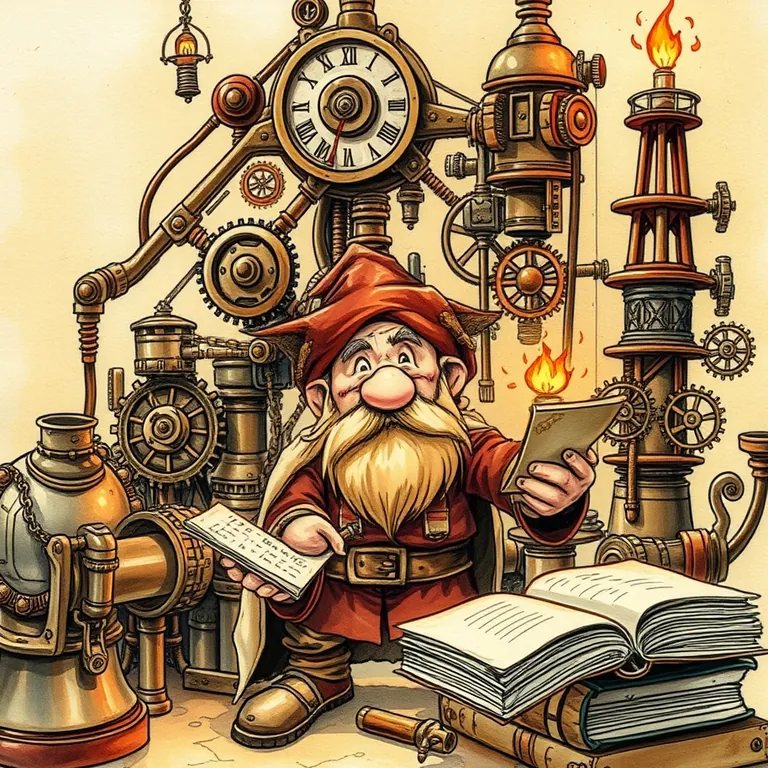
It was powerful, credit-based, and one poorly-wired lever away from a very surprising bill.
Make is best used for wiring together the levers between different tools so one action (a new order, a new signup) automatically triggers three others without you lifting a finger. A realm running on manual busywork never scales past one adventurer. This connects the machinery so quests trigger each other automatically. It lands at #26 of 51 on Solos Gems (6.8/10) for automation.
It was powerful, genuinely clever, and one poorly-wired lever away from triggering forty things at once when you only meant to trigger one.
- Value for price7.5/10
- Capability7/10
- Ease of use6/10
- Trial safety7.5/10
Best used for
Wiring together the levers between different tools so one action (a new order, a new signup) automatically triggers three others without you lifting a finger.
How it helps the realm
A realm running on manual busywork never scales past one adventurer. This connects the machinery so quests trigger each other automatically.
Boons
- The visual canvas makes complex automations genuinely easier to understand than a wall of code.
- Handles far more intricate branching logic than simpler automation tools allow.
- A generous library of pre-built templates gets you started without building from nothing.
Curses
- The visual complexity that makes it powerful also makes it easy to build something fragile without realizing it.
- A poorly wired automation can quietly rack up usage fast if you're not watching it.
See how this compares to Zapier →
Common questions
Do I need to know how to code to use this?
No, it is a visual, no-code builder, though complex flows still take some learning.
Can it connect apps that don't have a native integration?
Often yes, through generic webhook and API modules for less common tools.
Is it easy to test an automation before turning it loose?
Yes, it lets you run and inspect a single execution before activating a scenario fully.